


Department of
"Civil Engineering"
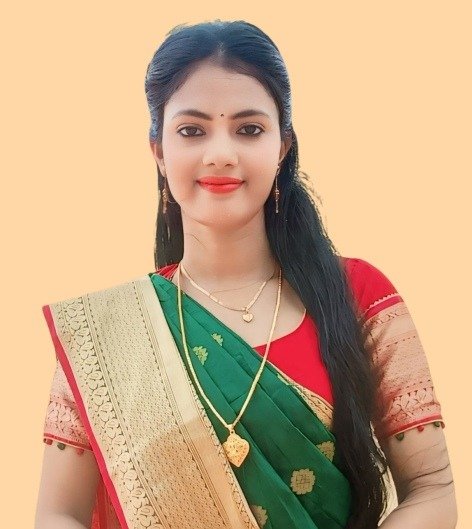
Er. Manisha Hati
HOD, Civil Engineering
The Department of Civil Engineering of Ramarani Institute of Technology was commenced in the year of 2009. It offers Diploma Engineering course and course for Working professional also. The department have sound infrastructure and laboratories. The department is also enriched with good academicians like other reputed Institutions. The department is frequently conducting industrial visit, seminar, workshops, debate, quiz and other social activities. Soft skill programs are embedded as regular part of academics for better placements. Department is conducting parents’ teachers meeting time to time for constant monitoring of academics and attendance of the students. For maintaining better feedback, mentor mentee meeting is held in the department periodically.
Some laboratory experiments are conducted beyond syllabus by bringing experts from reputed houses. Initiation is being taken by each mentor of the department for completion of AICTE various online courses by the students. Annual sports and college own cricket tournaments (RPL) games are organised and conducted supported by fantastic indoor stadium at our campus every year.
Active participation of students is held in academic, cultural and sports competition. The department is taking care for placing the students in industry for their summer and winter internship training as per need.
Vision
To be recognized as an internationally acclaimed Civil Engineering department by delivering quality technical education, keeping pace with emerging technologies, research, and innovation, and producing globally competent civil engineers capable of meeting new challenges.
Mission
DM1: Impart strong fundamentals of engineering and practical applications through state-of-the-art Civil Engineering facilities.
DM2: Nurture human potential in an inspiring environment by fostering creativity, innovation, empowerment, and entrepreneurship.
DM3: Strengthen Industry–Institute interaction by promoting consultancy and active industry participation for quality enhancement
DM4: Encourage higher education through research, development, and innovation-driven academic activities.
Programme Outcomes (POs)
PO1: Apply knowledge of mathematics, science, engineering fundamentals, and specialization to solve complex engineering problems.
PO2: Identify, formulate, analyze, and review research literature to reach substantiated conclusions using engineering principles.
PO3: Design solutions and system components considering public health, safety, societal, cultural, and environmental aspects.
PO4: Conduct investigations using research methods, experiments, data analysis, and synthesis to draw valid conclusions.
PO5: Use modern engineering and IT tools for modeling and prediction with an understanding of limitations.
PO6: Assess societal, health, safety, legal, and cultural responsibilities in professional engineering practice.
PO7: Understand environmental impact and promote sustainable development.
PO8: Apply ethical principles and professional responsibilities.
PO9: Function effectively as an individual, team member, or leader in multidisciplinary environments.
PO10: Communicate effectively through reports, documentation, presentations, and clear instructions.
PO11: Apply engineering and management principles to project management and finance in multidisciplinary teams.
PO12: Engage in independent and lifelong learning to adapt to technological advancements.
Programme Educational Objectives (PEOs)
PEO1: Graduates will succeed professionally through strong fundamentals and the ability to analyze and solve real-life engineering problems.
PEO2: Graduates will excel in higher education through lifelong learning.
PEO3: Graduates will demonstrate effective communication, teamwork, and leadership in multidisciplinary professional environments.
Programme Specific Outcomes (PSOs)
PSO1: Apply strong fundamental knowledge and systematic problem-solving techniques to core Civil Engineering subjects.
PSO2: Pursue higher studies and professional practice, adapting to modern construction techniques and management tools through industry or entrepreneurship.
PSO3: Demonstrate effective written and oral communication skills to convey technical information to clients, professionals, and the public.
Program Name | Program Type | Degree | Intake |
Diploma | 3 Years Diploma in Civil Engineering | Diploma | 60 |
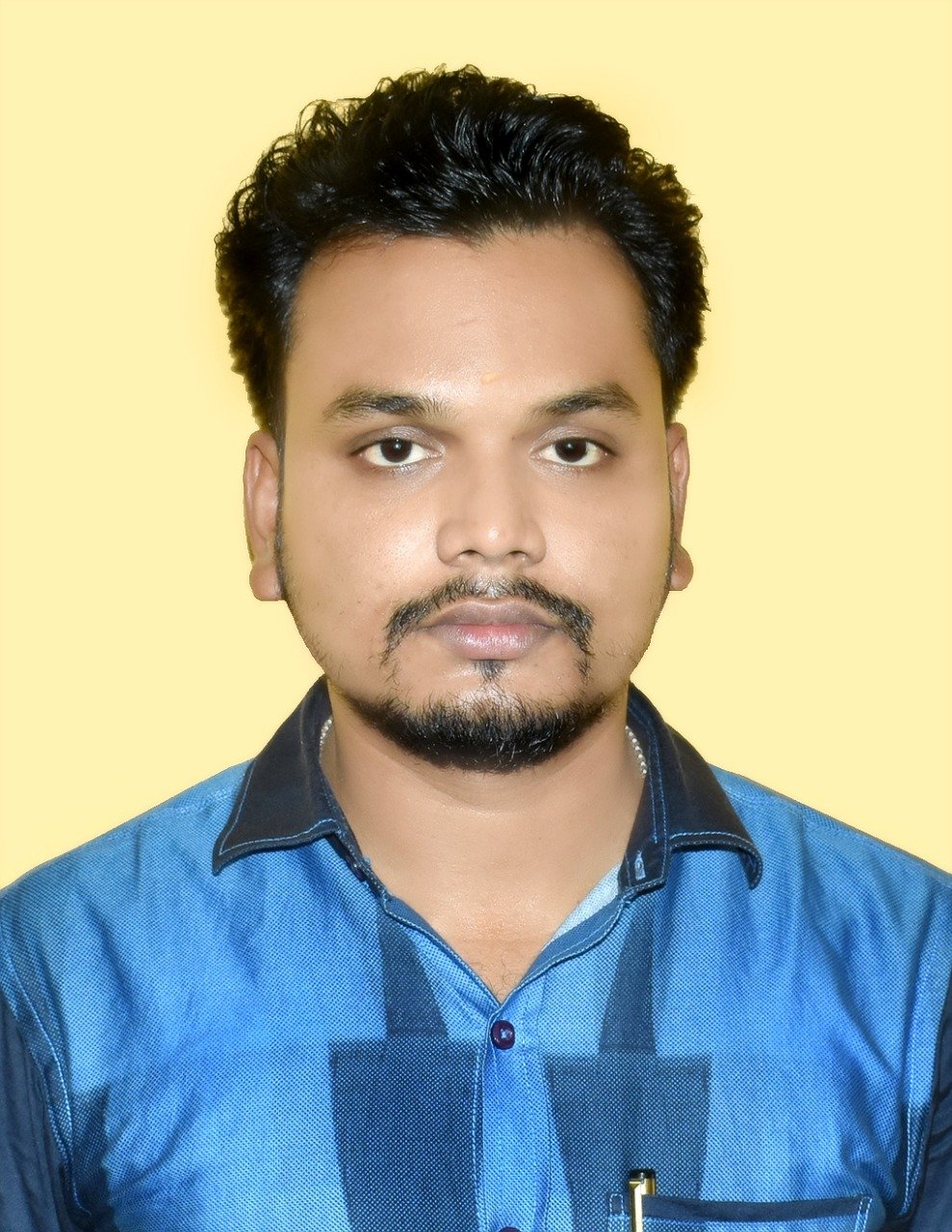
ER. ASWINI KUMAR ROUT
Dept. : CIVIL
Designation : ASST. PROFESSOR
Qualification :M. Tech in Structural Engineering.
ER. SUBHENDU KUMAR ROUT
Dept. : CIVIL
Designation : ASST. PROFESSOR
Qualification : M. Tech in Construction technology & Management (CTM)
MS. MONALISA DASH
Dept. : CIVIL
Designation : LECTURER
Qualification : B. Tech in CIVIL
MS. LIPSITA PARHI
Dept. : CIVIL
Designation : LECTURER
Qualification : B. Tech in CIVIL
MRS. SMITAPRAGYAN HARICHANDAN
Dept. : CIVIL
Designation : LECTURER
Qualification : B. Tech in CIVIL
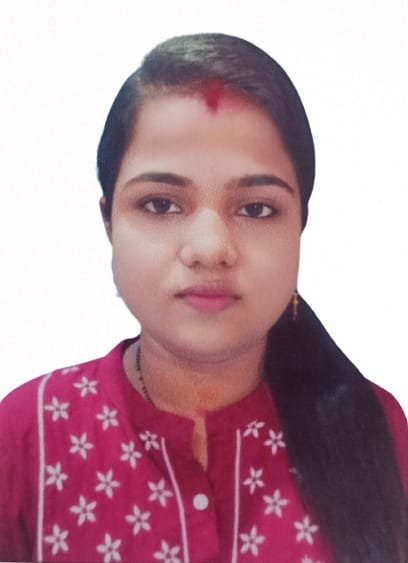
MRS. SWARNAPRAVA SAHU
Dept. : CIVIL
Designation : LECTURER
Qualification : B. Tech in CIVIL
Sl No | Name | Designation |
1 | Er. Manisha Hati (HOD) | Chairman |
2 | Dr D. Dutta, Associate Professor, PGE, WB | Academic Expert, External Member |
3 | Er. Subhendu Rout | Member |
4 | Er. Aswini Rout | Member |
5 | Er. Swarnaprava Sahu | Member |
DEPT. OF CIVIL ENGG. 3RD SEM.
Sl No. | Name of the Laboratory | No. of students per setup (Batch Size) | Name of the Important equipment | Weekly utilization status |
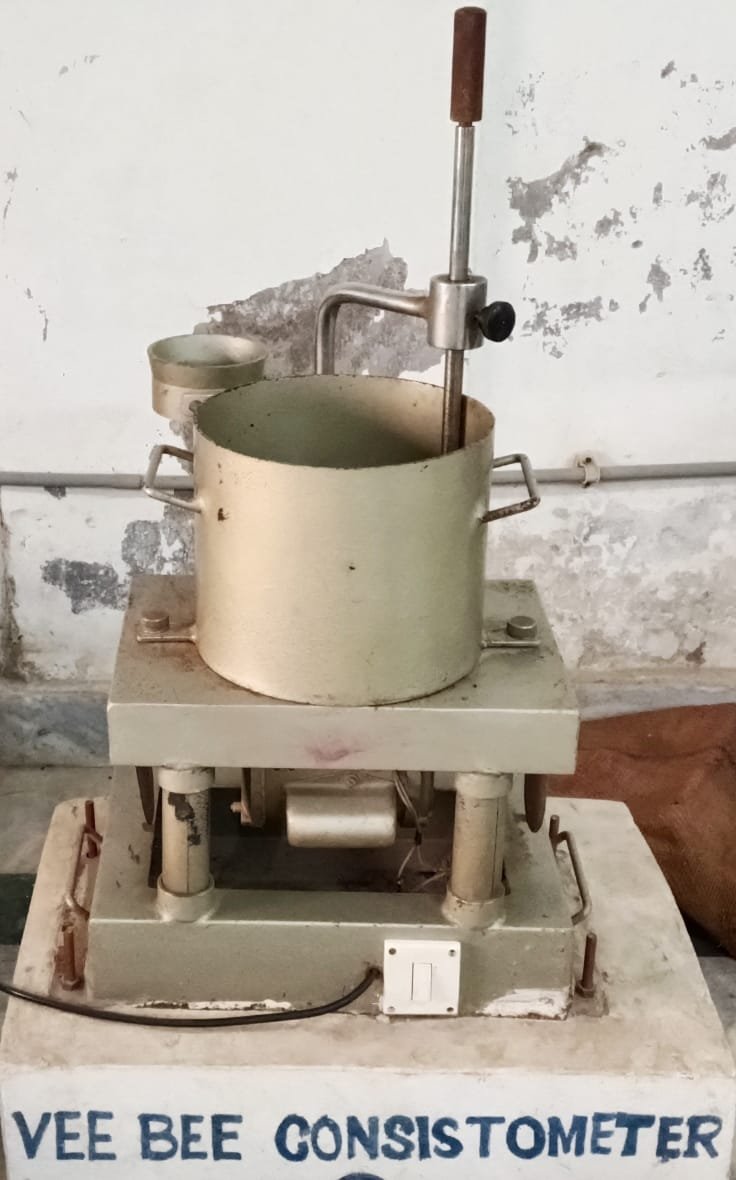
1 | Building Materials& Concrete Technology Lab. |
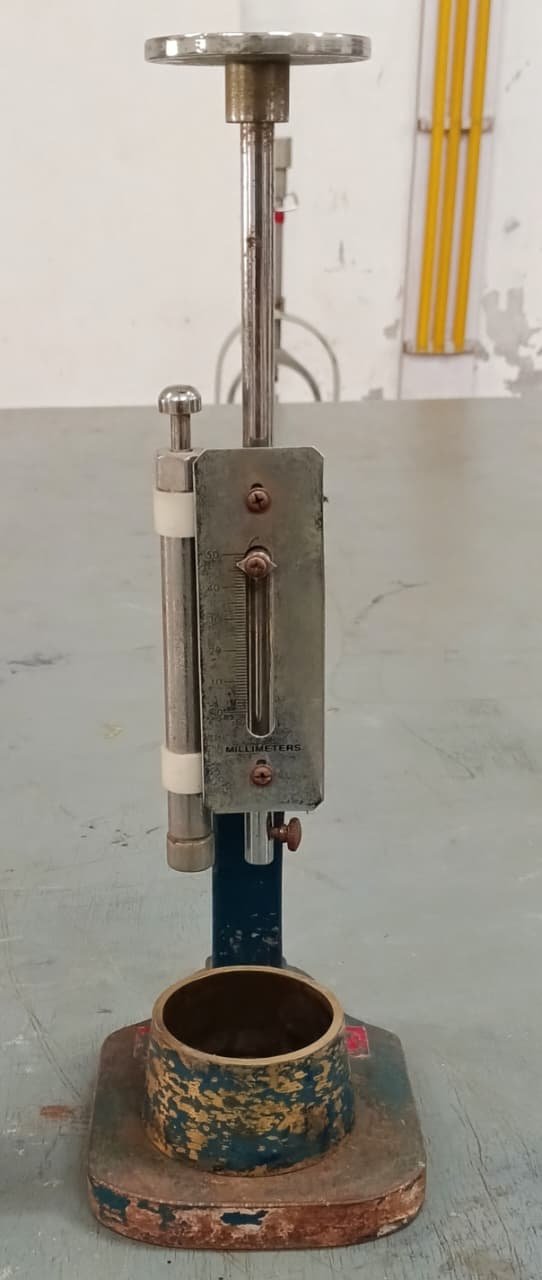
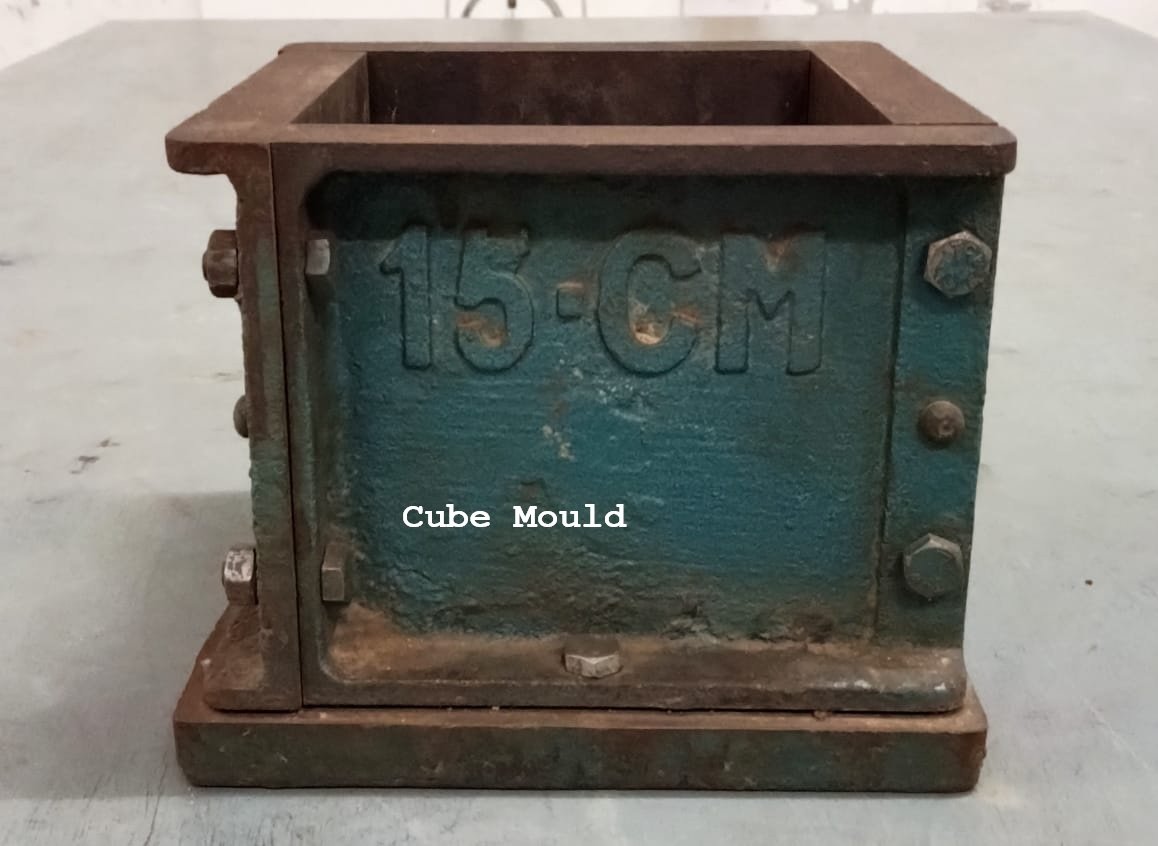
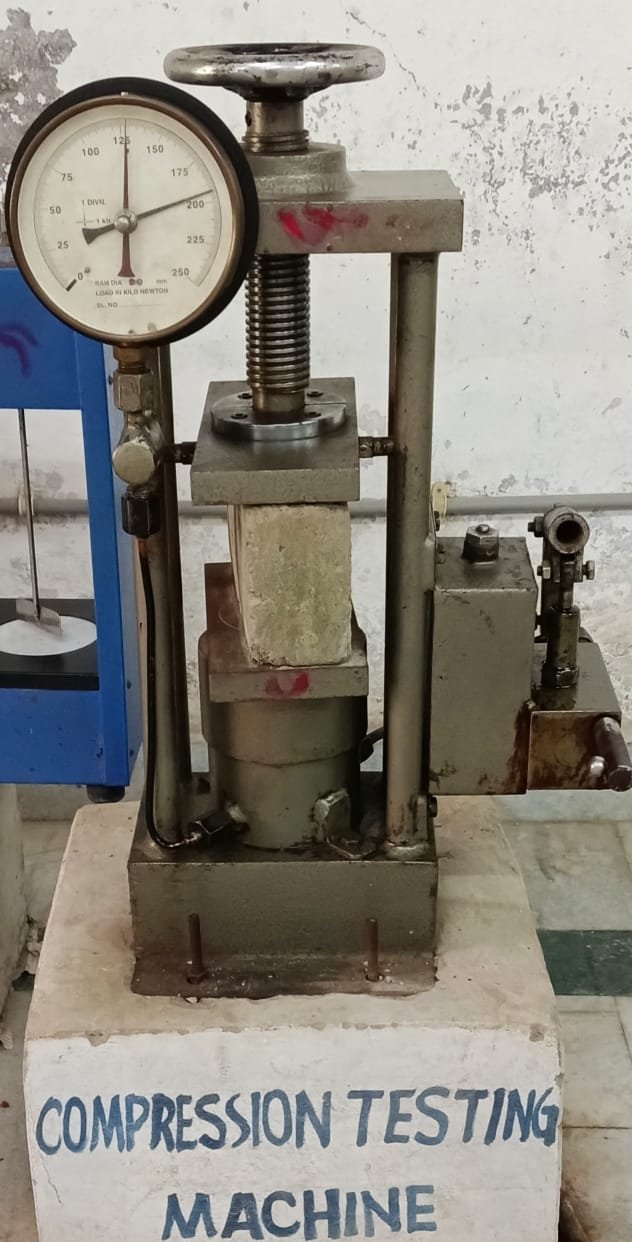
30 | Universal Testing Machine (UTM) Compression Testing Machine (CTM) Vicats apparatus with set | 4 hours per week (as per academic routine) |
2 | GEOTECHNICAL ENGINEERING LAB. |
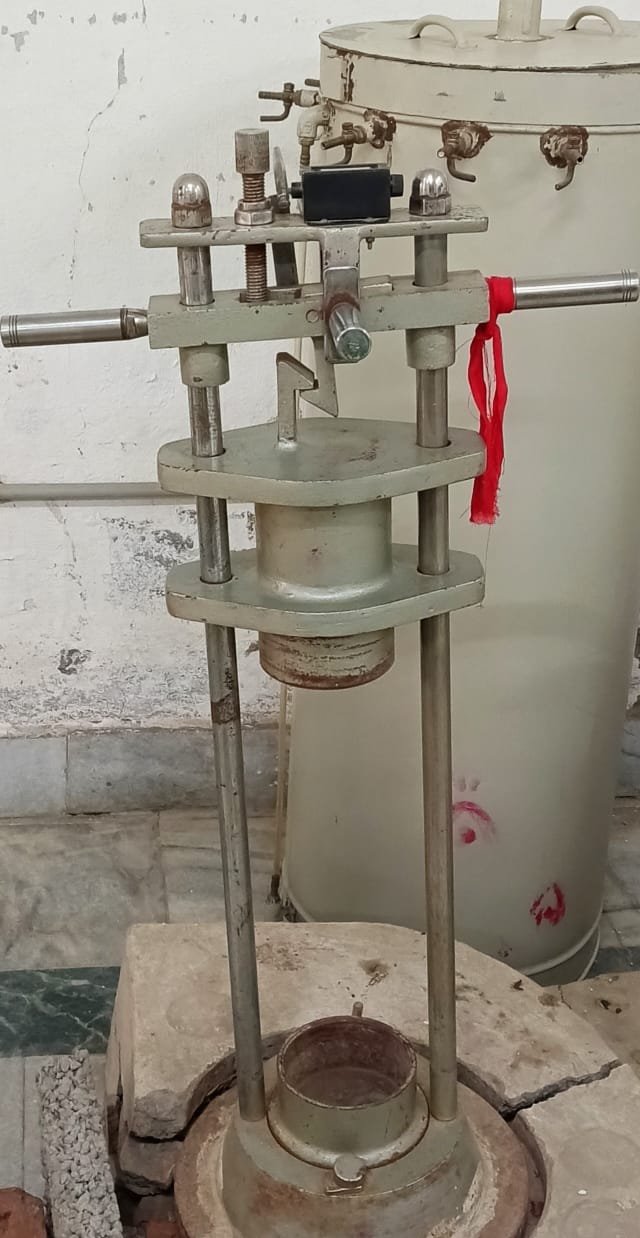
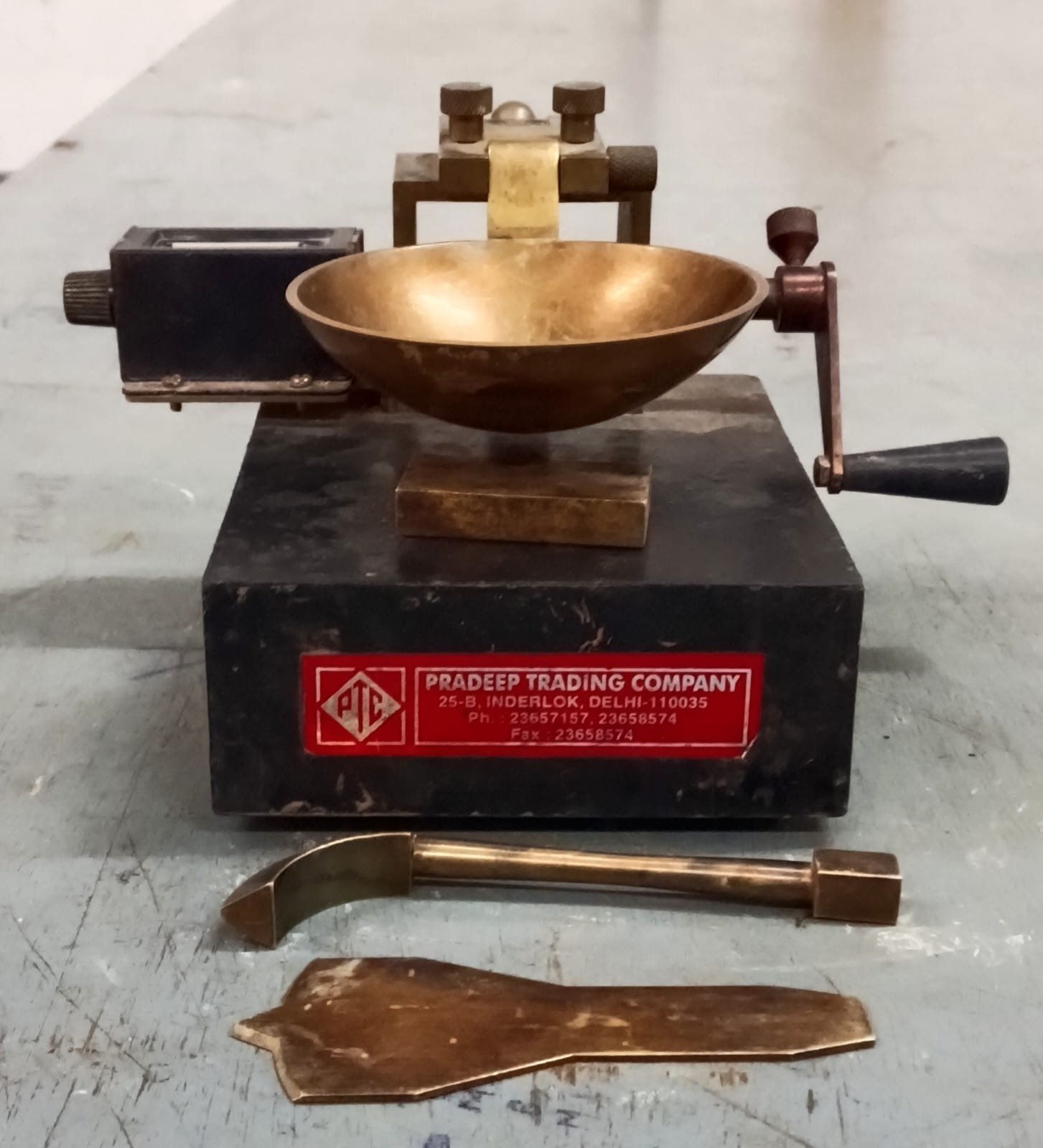
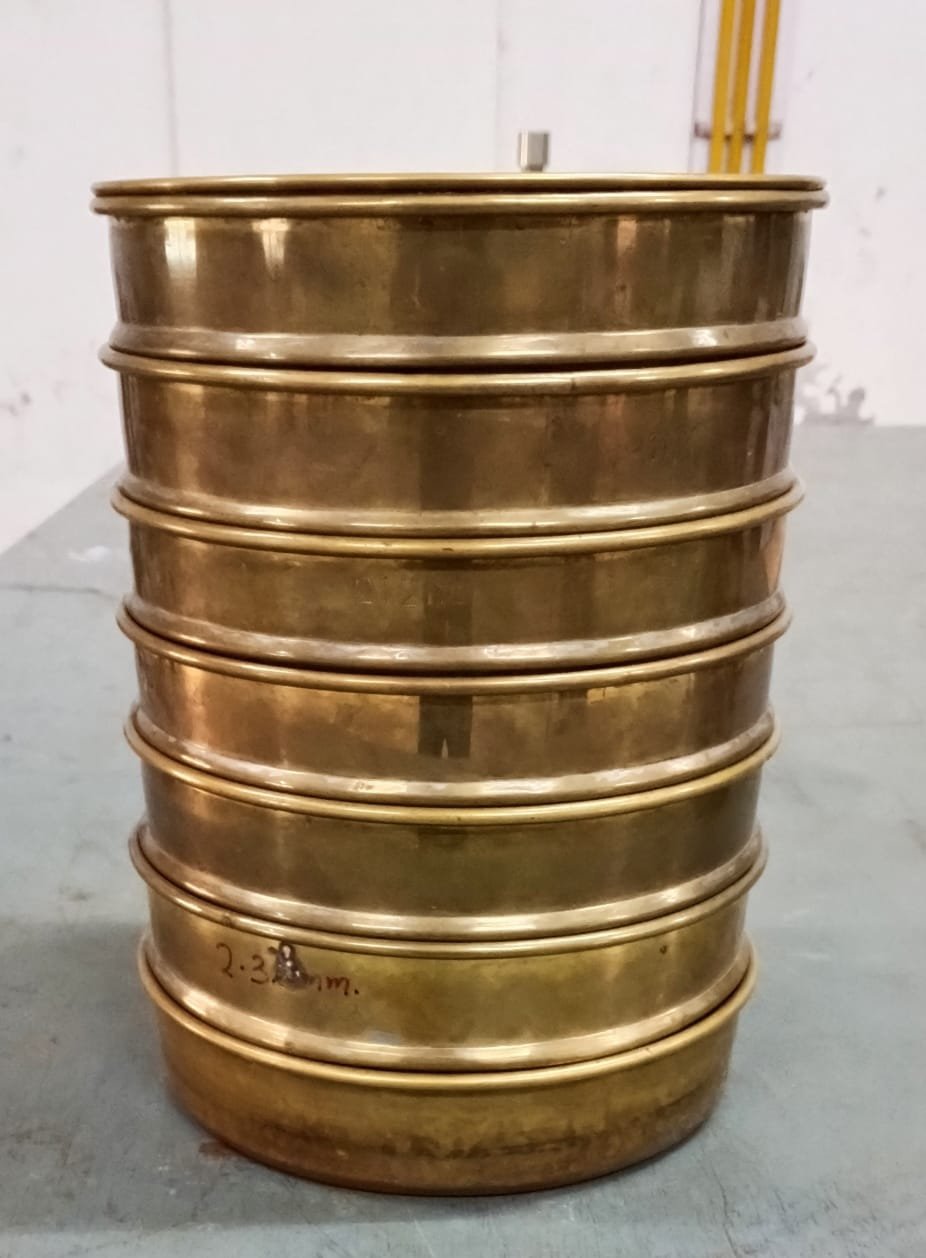
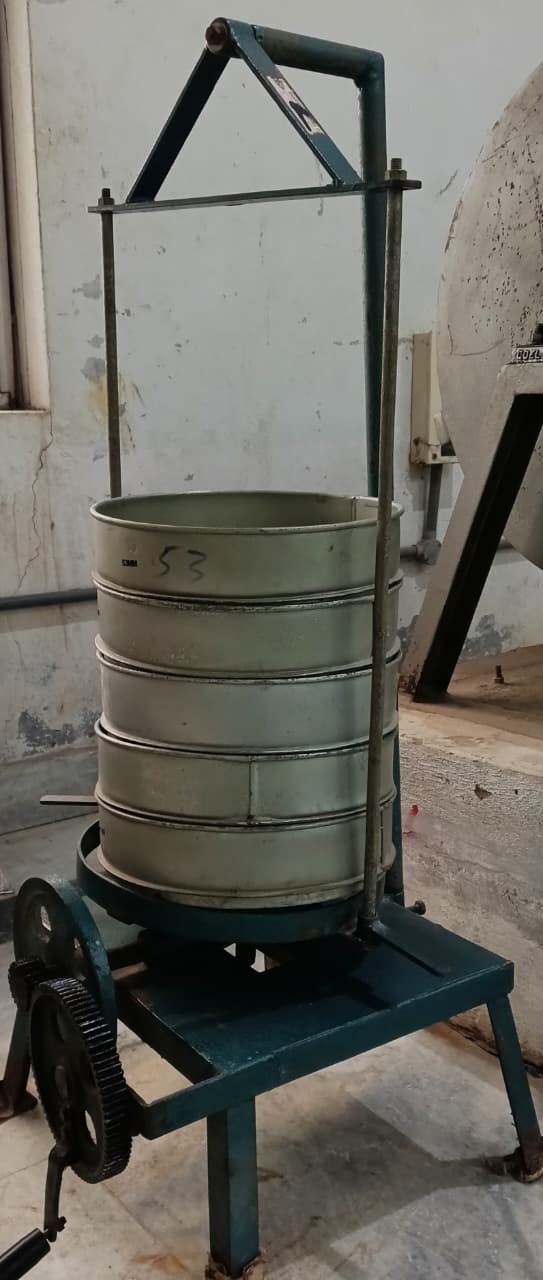
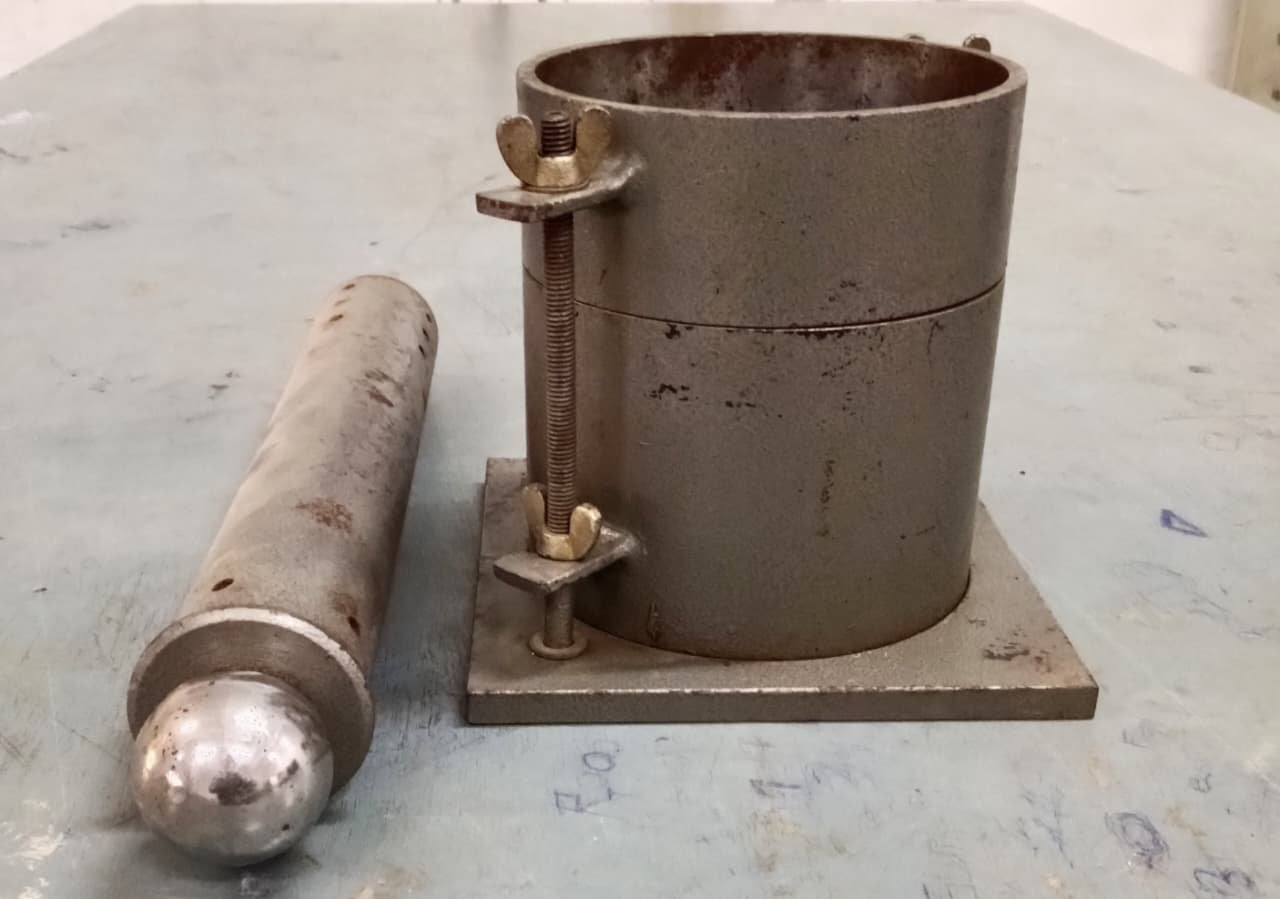
30 | core cutter PL set, LL set, Shrinkage limit set Sieve shaker Proctor test apparatus | 4 hours per week (as per academic routine) |
3 | Mechanics of Materials Lab. |
30 | UTM, CTM Impact Testing Machine (Izod/ Charpy} | 4 hours per week (as per academic routine) |
4 | TRANSPORTATION ENGG. LABORATORY. |
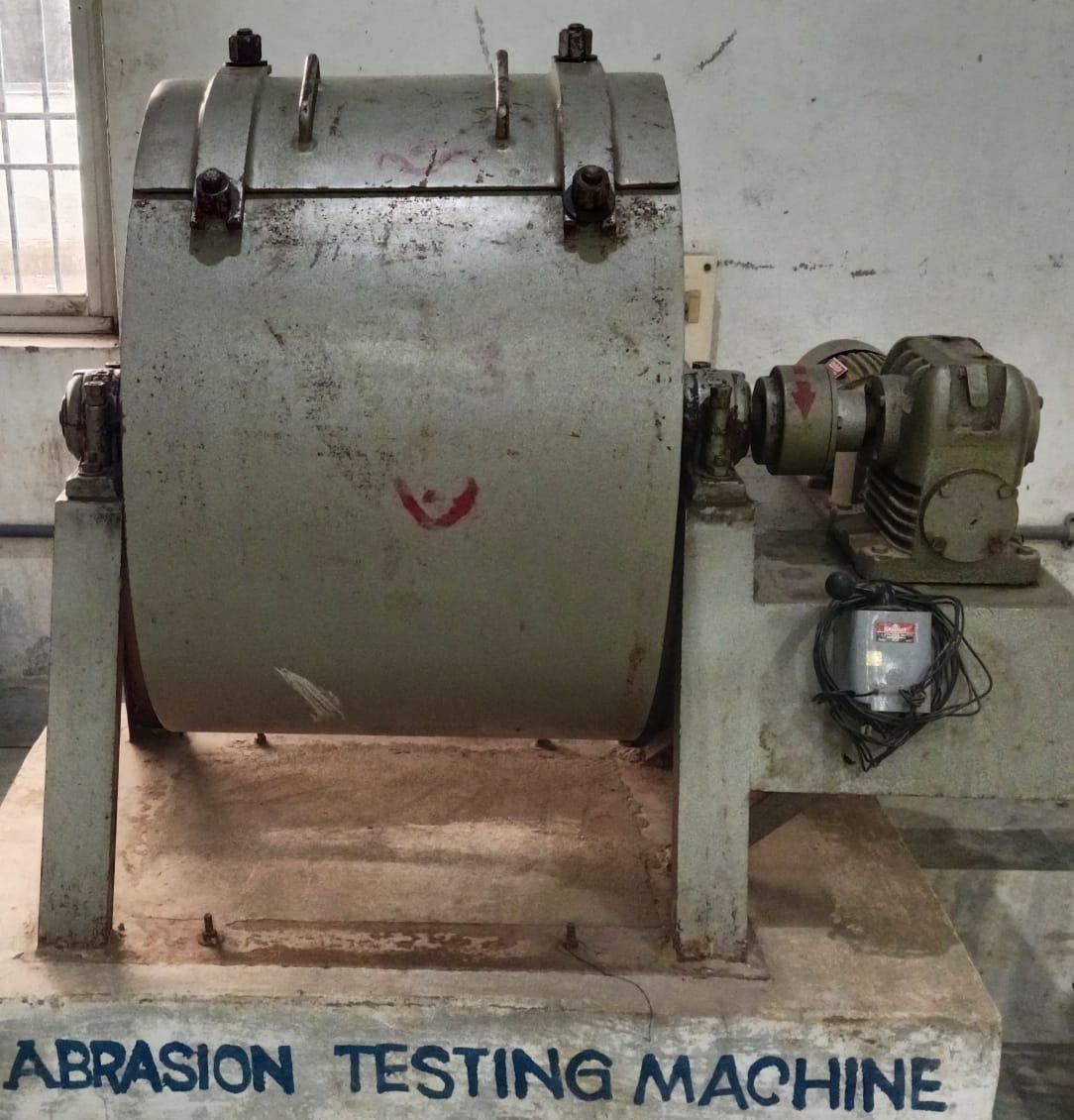
30 | Flakiness and Elongation Index, Aggregate Impact Value Apparatus, Loss Angeles Abrasion Apparatus, Flash and Fire Apparatus, Ring and ball apparatus, | 4 hours per week (as per academic routine) |
DEPT. OF CIVIL ENGG. 4TH SEM.
Sl No. | Name of the Laboratory | No. of students per setup (Batch Size) | Name of the Important equipment | Weekly utilization status |
1 | Building planning and drawing Lab-1 |
30 | Computer | 4 hours per week (as per academic routine) |
2 | Estimating and Costing Lab |
30 | Computer | 4 hours per week (as per academic routine) |
3 | Hydraulics and Irrigation Engg Lab. |
30 | Bernoulli’s Apparatus, Friction Factor Apparatus, Venturi meter Setup, Orifice Apparatus, U-tube Manometer, Piezometer Setup, Current Meter, Pitot Tube, Notch Apparatus. | 4 hours per week (as per academic routine) |
DEPT. OF CIVIL ENGG. 5TH SEM.
Sl No. | Name of the Laboratory | No. of students per setup (Batch Size) | Name of the Important equipment | Weekly utilization status |
1 | Building planning and drawing-II. | 30 | Computer | 4 hours per week (as per academic routine) |
2 | Design of RCC structures Lab. | 30 | Computer | 4 hours per week (as per academic routine) |
3 | Surveying Lab | 30 | Prismatic/ surveyor’s compass Dumpy level/ auto level Theodolite. | 4 hours per week (as per academic routine) |
DEPT. OF CIVIL ENGG. 6TH SEM.
Sl No. | Name of the Laboratory | No. of students per setup (Batch Size) | Name of the Important equipment | Weekly utilization status |
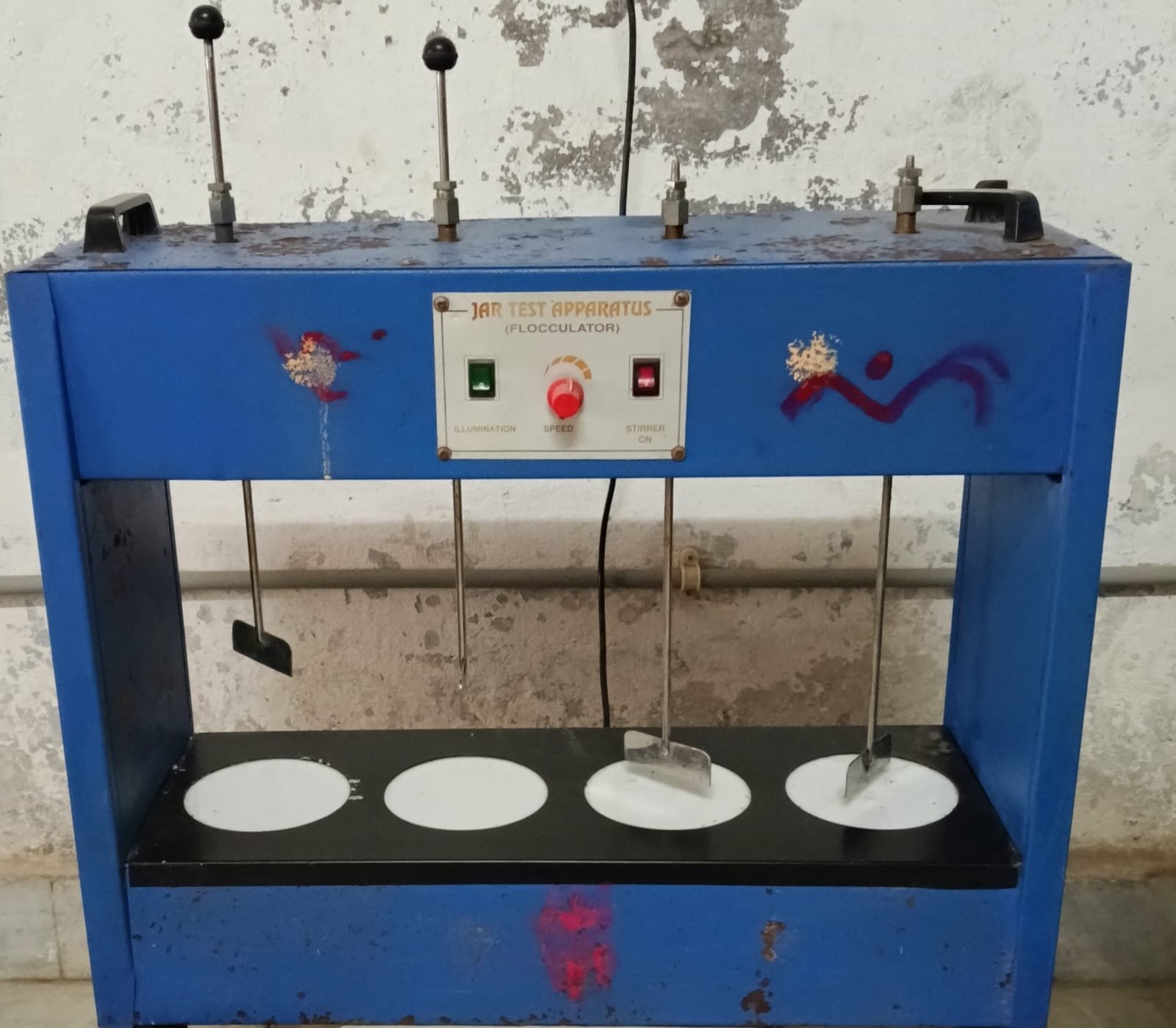
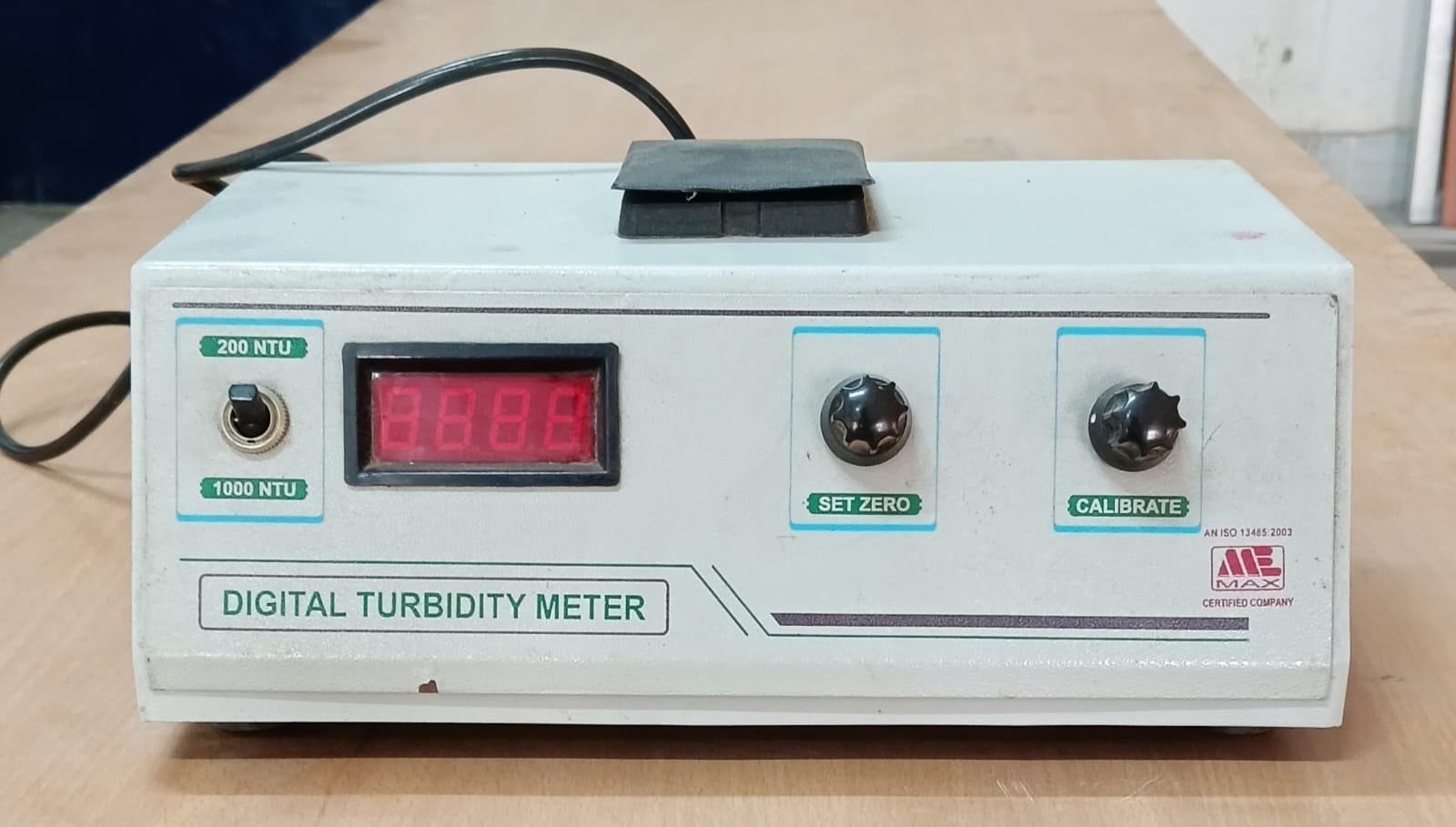
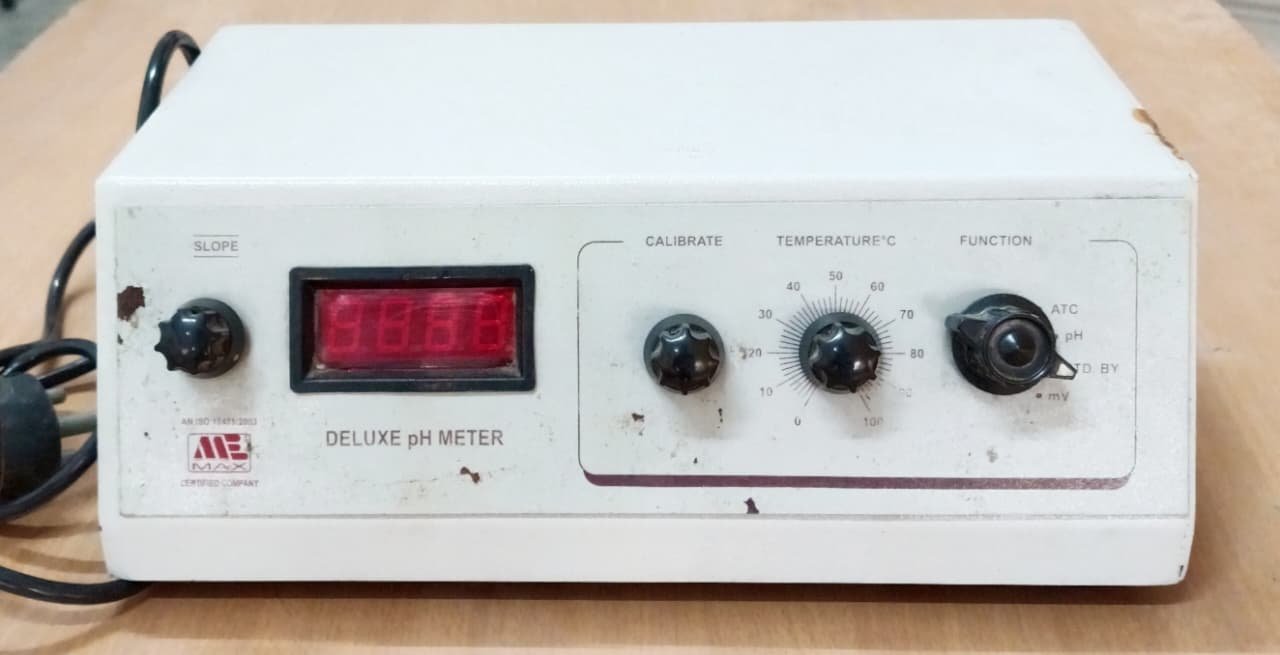
1 | Public Health Engg Lab | 30 | PH- Meter, Turbidity-meter, Chlorine- meter, Jar test apparatus. | 4 hours per week (as per academic routine) |
DEPT. OF CIVIL ENGG. 6TH SEM.(OLD)
Sl No. | Name of the Laboratory | No. of students per setup (Batch Size) | Name of the Important equipment | Weekly utilization status |
1 | CADD Lab and Design and Detailing Practice | 30 | Computer | 3 hours per week (as per academic routine) |
2 | Construction Workshop Practice | 30 | Rebound Hammer, Measuring tape, Spirit level, Try square. | 5 hours per week (as per academic routine) |
3 | Land Survey Practice -II | 30 | Theodolite, Levelling staff, Measuring tape/chain, Ranging Rod. | 5 hours per week (as per academic routine) |