Department of
"Electrical Engineering"
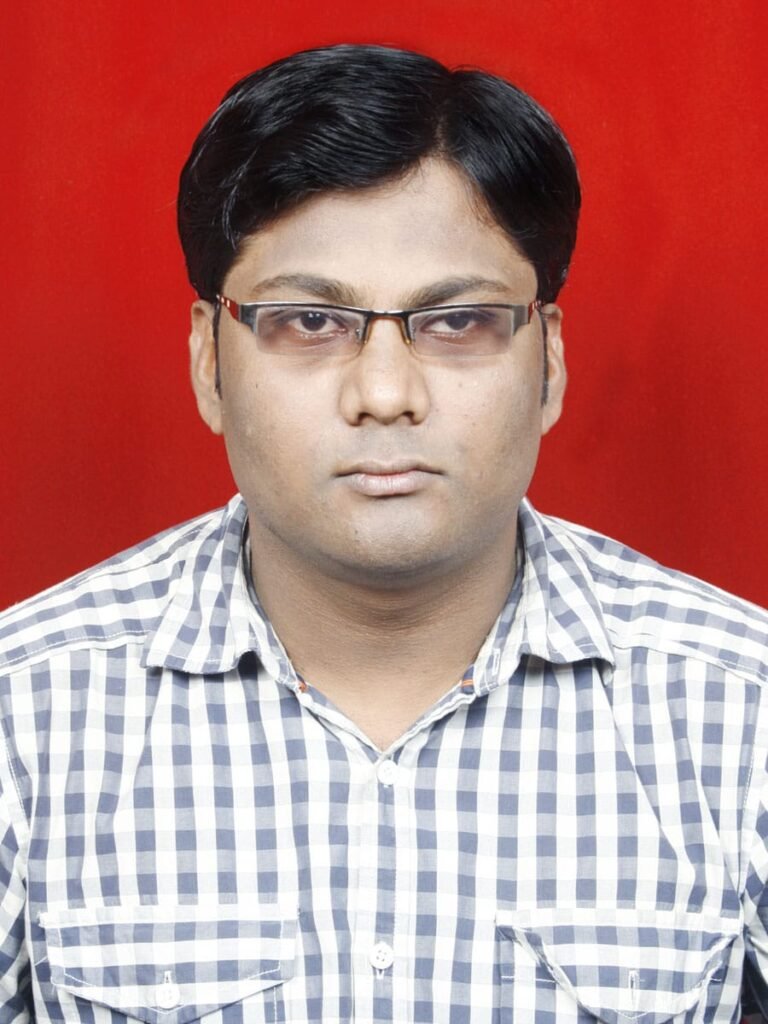
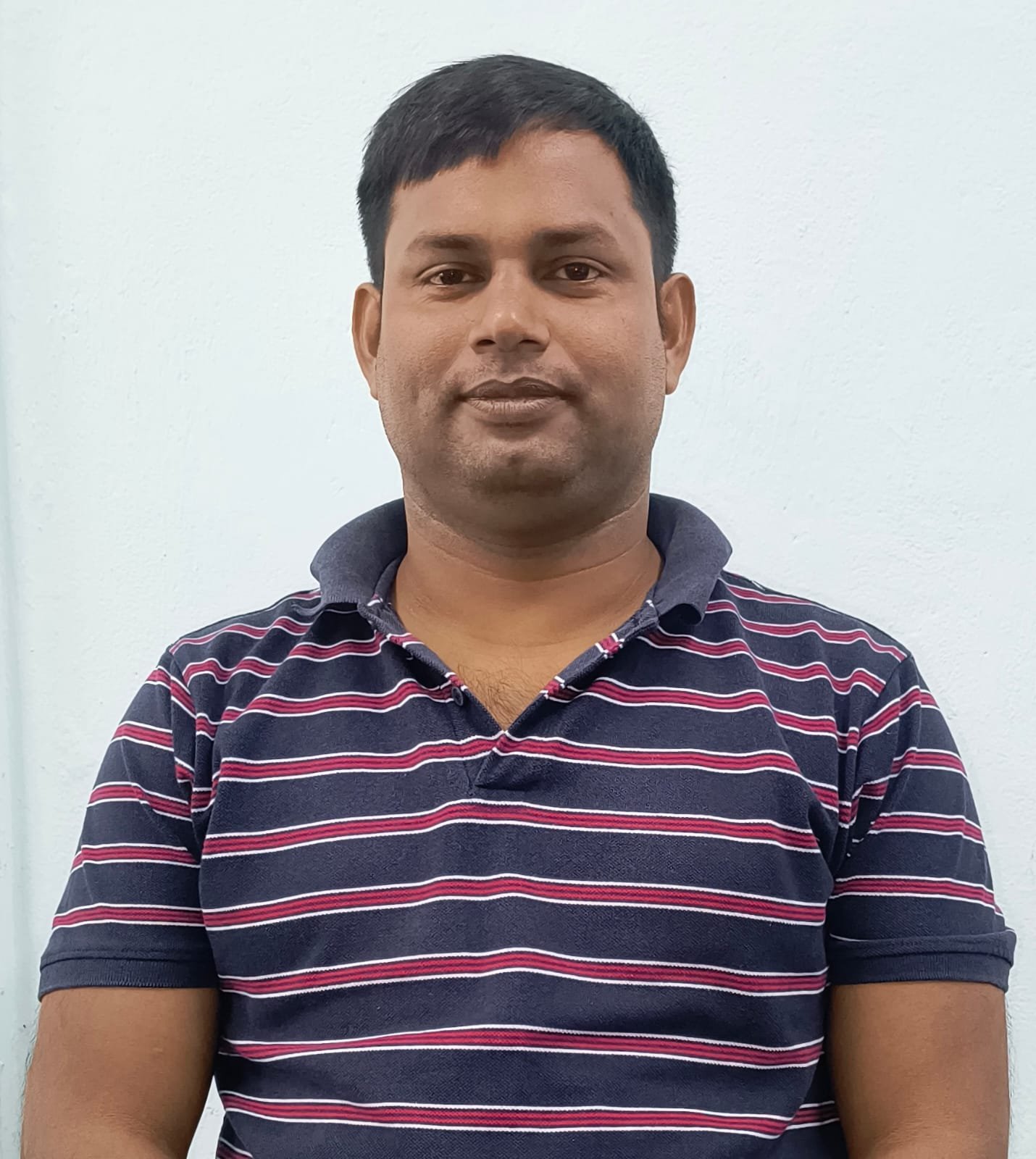
Er. Deepak Kumar Sahu
HOD, Electrical Engineering
Welcome to the Department of Electrical Engineering, Ramarani Institute of Technology is the front runner because of its recent recognition and adoption by all industries and academia, thereby gaining self-confidence of our students to compete successfully with all competitive disciplines. It imparts quality education in multifarious disciplines of Electrical, Electronics, Computer Science, etc. along with generation, transmission and distribution of electrical power and a set of subjects specially focusing on the performance and design of DC, AC and Special Electric Machines. The focus of the department is to imbibe the students with a potential through a broad exposure to all aspects that facilitates them for all round development.
The department has a dedicated team of faculties with a wide spectrum of specialization such as Power Electronics, Power Systems, Control systems, Industrial Drives, hybrid vehicles, computer engineering, High Voltage for green energy. The course has a healthy blend of Power Engineering, Electronics and Computer Engineering. The course pattern is planned to keep the students up-to-date with recent trends by organizing regular trainings, e-learning through MOOC, industrial visits, workshops, conferences, faculty development programs, etc. The students are provided a platform to think, express, and exhibit their skills.
We produce graduates to become future leaders for industry, academia, government and the society in India whose vision is founded upon fundamental knowledge, creative and analytical skills, local/regional perspective and ethics.
Vision
To develop ethical and competent Electrical Engineering professionals equipped with domain expertise and societal commitment for successful careers in service of society.
Mission
DM1: Impart quality education and practical training in Electrical Engineering to prepare graduates for industry, research, and higher education.
DM2: Foster lifelong learning skills enabling adaptability to evolving technology, society, and environmental needs.
DM3: Provide a dynamic, accredited academic environment that enhances communication, leadership, and professional competence.
DM4: Instill awareness of ethical, safety, equity, health, and societal responsibilities of professional engineers.
Programme Outcomes (POs)
PO1: Apply mathematics, science, engineering fundamentals, and Electrical Engineering specialization to solve complex engineering problems.
PO2: Analyze complex problems using first principles, research literature, and engineering sciences.
PO3: Design solutions and systems considering public health, safety, societal, cultural, and environmental aspects.
PO4: Conduct investigations using experiments, data analysis, and research methodologies to draw valid conclusions.
PO5: Use modern engineering and IT tools for modeling, simulation, and prediction with an understanding of limitations.
PO6: Assess societal, health, safety, legal, and cultural issues relevant to professional electrical engineering practice.
PO7: Understand environmental impacts and promote sustainable development.
PO8: Practice professional ethics and responsibilities.
PO9: Work effectively as an individual and as a leader or member of multidisciplinary teams.
PO10: Communicate effectively through reports, documentation, presentations, and instructions.
PO11: Apply engineering and management principles to project planning, execution, and finance.
PO12: Engage in lifelong learning to adapt to technological advancements.
Programme Educational Objectives (PEOs)
PEO1: Develop strong problem-solving, design, and analytical skills for successful careers in Electrical Engineering.
PEO2: Apply modern tools, technologies, and engineering software for practical electrical engineering solutions.
PEO3: Demonstrate effective communication, teamwork, and multidisciplinary collaboration in societal contexts.
PEO4: Exhibit leadership, competitiveness, and lifelong learning for professional growth.
Programme Specific Outcomes (PSOs)
PSO1: Solve real-life power system and power electronics problems using modern software tools such as MATLAB, PSIM, and PowerWorld along with hardware implementation.
PSO2: Provide sustainable and socially responsible solutions to complex electrical engineering problems using appropriate modern techniques.

Program Name | Program Type | Degree | Intake |
Diploma | 3 Years Diploma in Electrical Engineering | Diploma | 120 |
UG | 4 Years B Tech in Electrical Engineering | B. Tech | 60* |
*Commencing this year

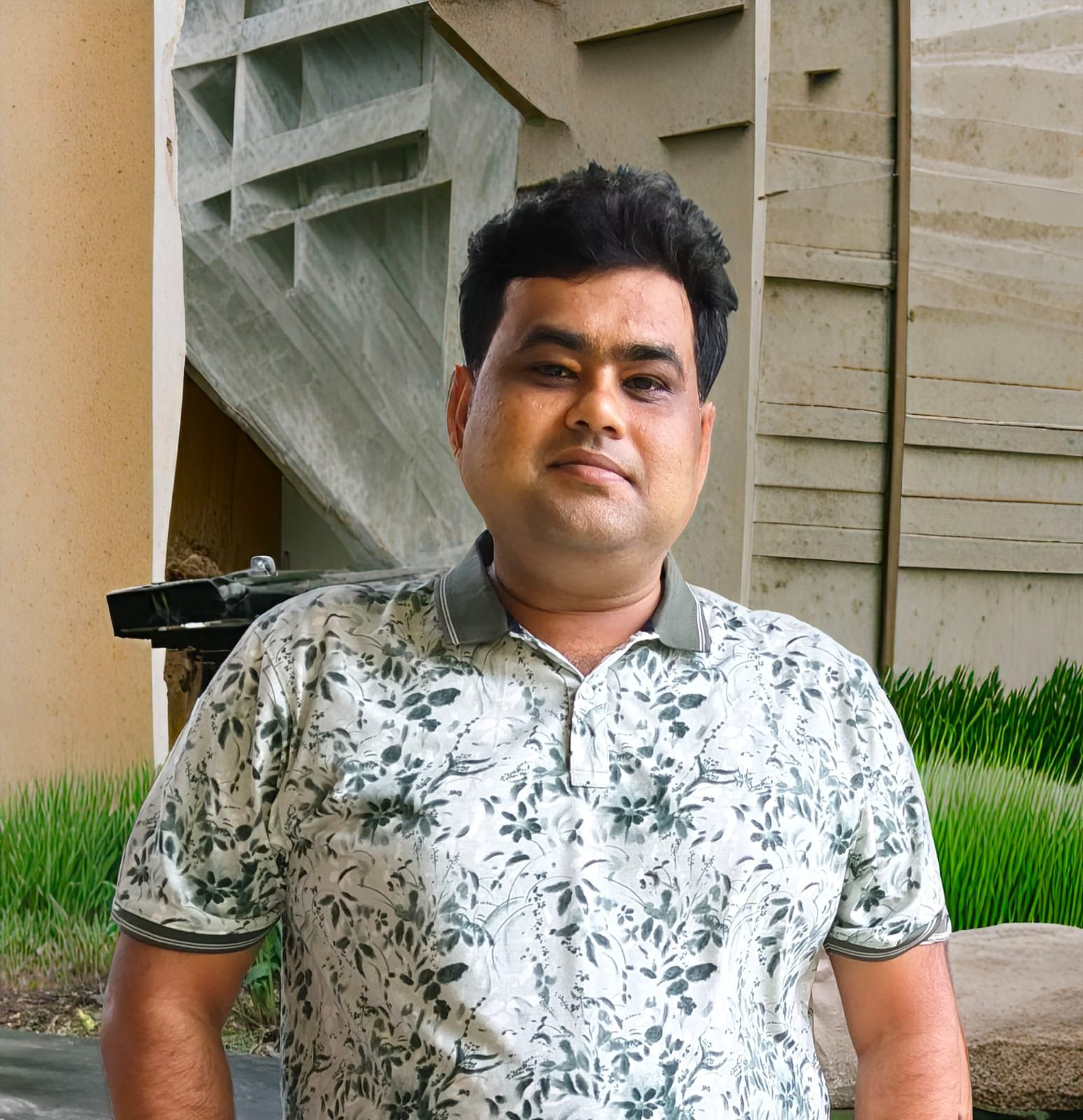
DR. MAHUYA PANDA
Dept. : EE
Designation : PROFESSOR
Qualification :PhD in Engineering

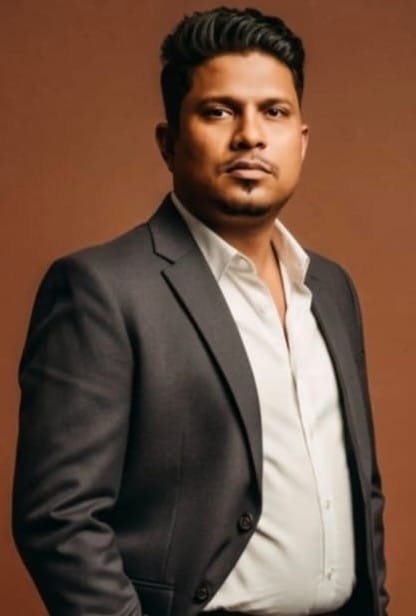
ER. SOUMYARANJAN MOHAPATRA
Dept. : EE
Designation : ASST. PROFESSOR
Qualification :M. Tech in Power System Engineering

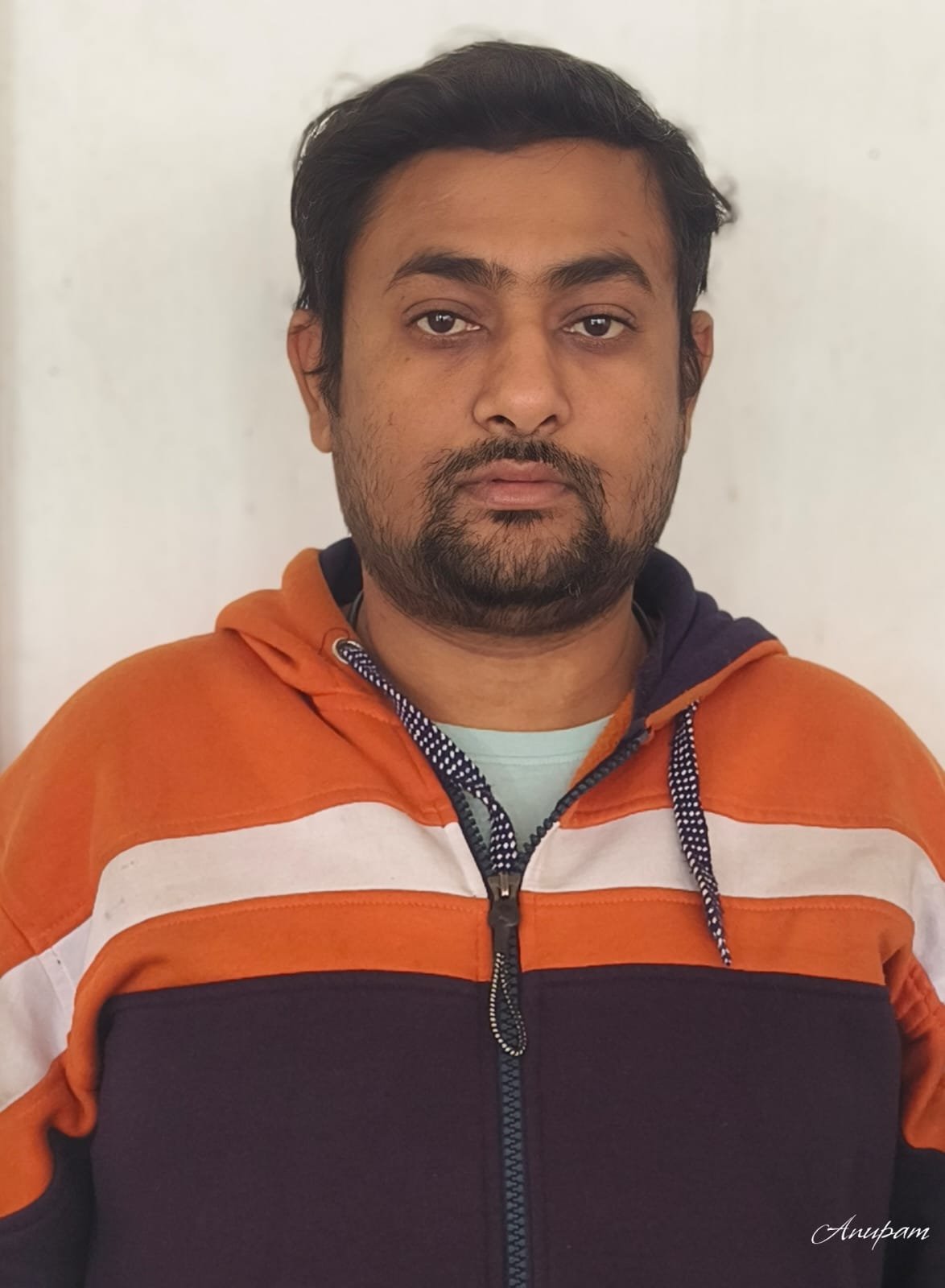
ER. GOURANGA CHARAN SETHI
Dept. : EE
Designation : ASST. PROFESSOR
Qualification :M. Tech in Power System Engineering

ER. BIJAYANANDA PAL
Dept. : EE
Designation : LECTURER
Qualification :B. Tech in Electrical Engineering

ER. SAGAR BIHARI DASH
Dept. : EE
Designation : LECTURER
Qualification :B. Tech in Electrical Engineering

ER. GOLAK DAS
Dept. : EE
Designation : LECTURER
Qualification :B. Tech in Electrical Engineering

ER. SHIBA PRASAD DASH
Dept. : EE
Designation : LECTURER
Qualification :B. Tech in Electrical Engineering

ER. RAJESH MOHANTY
Dept. : EE
Designation : LECTURER
Qualification :B. Tech in Electrical Engineering

ER. RAJESH KUMAR PANI
Dept. : EE
Designation : LECTURER
Qualification :B. Tech in Electrical Engineering

ER. SUMIT KUMAR SAMANTARAY
Dept. : EE
Designation : LECTURER
Qualification :B. Tech in Electrical Engineering

ER. PINTU KUMAR KAR
Dept. : EE
Designation : LECTURER
Qualification :B. Tech in Electrical Engineering

ER. LALATENDU DANDAPAT
Dept. : EE
Designation : LECTURER
Qualification :B. Tech in Electrical Engineering
Sl No | Name | Designation |
1 | Er, Deepak Kumar Sahu. (HOD) | Chairman |
2 | Dr U. K. Rout, Professor, OUTR | Academic Expert, External Member |
3 | Prof. (Dr) Mahuya Panda, Vice Principal | Member |
4 | Er. Soumya Ranjan Mohapatra | Member |
5 | Er. Gauranga Charan Sethi | Member |
Sl No. | Name of the Laboratory | No. of students per setup (Batch Size) | Name of the Important equipment | Weekly utilization status |
|
|
|
|
|